
How Voice AI Agents Work: STT, LLM, TTS & Telephony
By Peush Bery
Published: December 26, 2025
|Last Updated: January 6, 2026
Voice AI agents are often perceived as “LLMs with a voice.” In production, that assumption breaks almost immediately. A real Voice AI agent is a latency-sensitive distributed system where five independent technologies must cooperate flawlessly—over unreliable phone networks—while sounding human and responding in real time. When even one component underperforms, the entire experience collapses. This article explains how Voice AI agents actually work in production, not demos. We break the system into its core components—Speech-to-Text (STT), Large Language Models (LLMs), Text-to-Speech (TTS), Telephony, and Infrastructure—and analyze each through the same practical lens: • what the component does, • how the underlying technology works, • how it affects cost and latency, • where it breaks in real calls, • and how mature teams improve it.
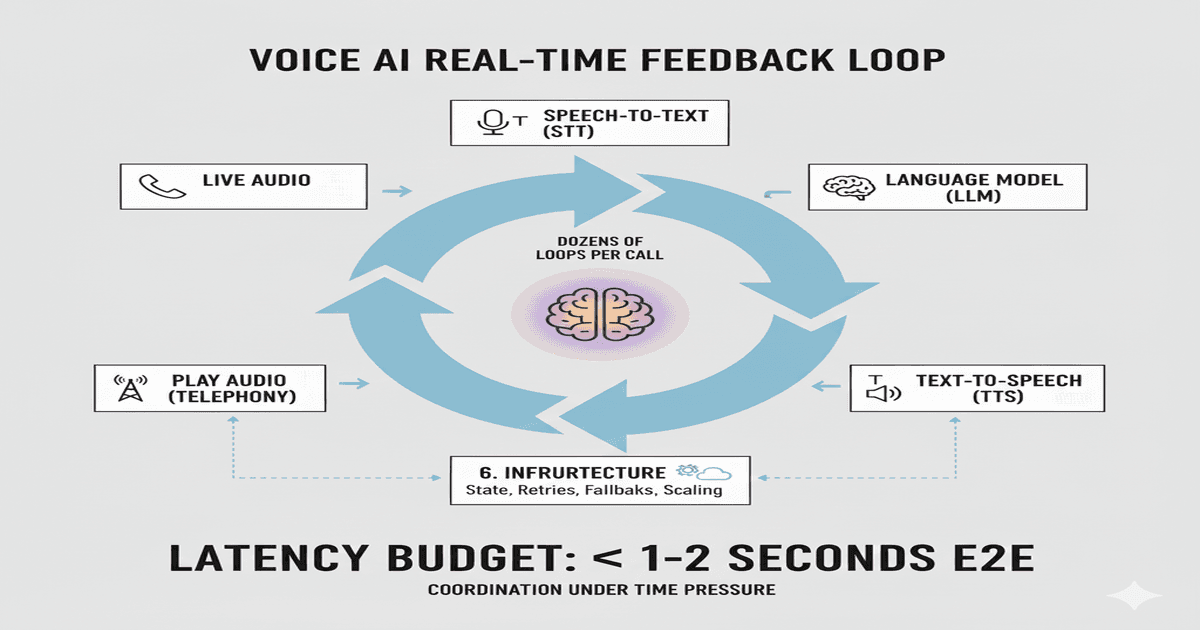
At runtime, every Voice AI call follows a tight feedback loop: 1. The phone network delivers live audio. 2. Speech-to-Text converts sound into partial text. 3. A language model reasons on that text and decides the next action. 4. Text-to-Speech converts the response into audio. 5. Telephony plays that audio back into the call. 6. Infrastructure coordinates state, retries, fallbacks, and scaling. This loop may execute dozens of times in a single call, often under a strict latency budget of a few seconds end-to-end. The challenge is not intelligence—it is coordination under time pressure.
Speech-to-Text (STT): Where Voice AI Reliability Begins What STT Actually Does ? Speech-to-Text is the first interpretation layer in a Voice AI system. It determines what the system believes the user said, and every downstream decision is anchored to this belief. If STT is wrong, the LLM does not “correct” it—it confidently reasons on incorrect input. Unlike offline transcription, Voice AI depends on streaming STT, where speech is decoded continuously while the caller is still talking. The system works with evolving hypotheses, not complete sentences, which allows for fast responses but introduces ambiguity. How STT Technology Works in Real Time ? Modern STT engines process audio in very small frames and run them through deep acoustic models trained on conversational speech. These models output partial word sequences that are continuously revised as more audio arrives. A critical but often overlooked component is endpointing—the logic that decides when the user has finished speaking. Endpointing is probabilistic. If it triggers too early, users get cut off. If it triggers too late, the agent feels slow and hesitant. Most perceived “latency” in voice systems is actually endpointing delay, not model inference time.
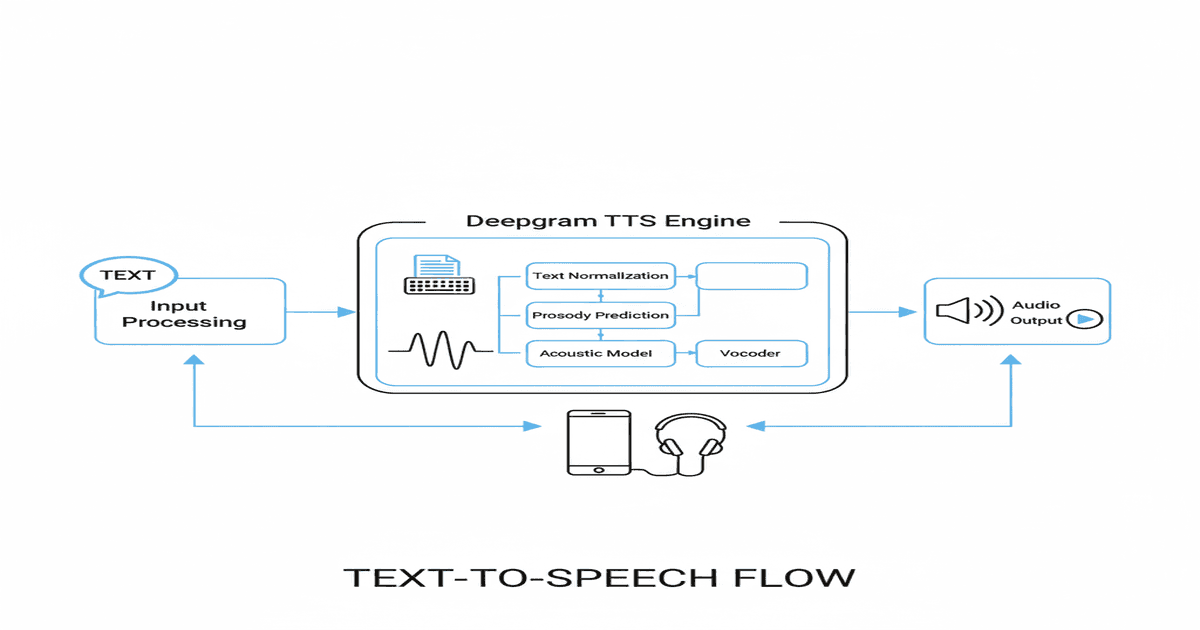
Which Are Some Commonly Used STT Engines ? In production voice systems, Deepgram is widely adopted due to its focus on low-latency streaming transcription. Google and Azure speech services are also used, particularly in enterprise environments with broader language requirements. From a product perspective, there is no universally “best” STT engine. Teams choose based on accent robustness, code-mix handling, latency tolerance, and predictability of cost at scale. What is The Cost and Latency impact? STT is typically priced per minute of processed audio. In voice calls, this includes silence, hesitation, and hold time—not just spoken words. As concurrency grows, STT becomes a meaningful line item even before LLM costs. Latency-wise, STT contributes a few hundred milliseconds in ideal conditions, but endpointing behavior often dominates perceived responsiveness. Systems that wait for “final transcripts” before acting routinely feel one to two seconds slower than those that act on high-confidence partial results. Where STT Breaks in Production ? Real phone calls are hostile environments. Background noise, speakerphones, cross-talk, and code-mixed language (especially Hinglish or regional mixes) routinely push STT models into edge cases. When this happens, the error propagates silently—users hear confident but incorrect responses rather than obvious failures. How Teams Improve STT Performance? Mature teams treat STT as a tunable subsystem. They invest in audio normalization, phrase boosting for domain vocabulary, and careful endpointing configuration. Just as importantly, they design conversations to elicit shorter, clearer responses, reducing ambiguity before STT even has to resolve it.
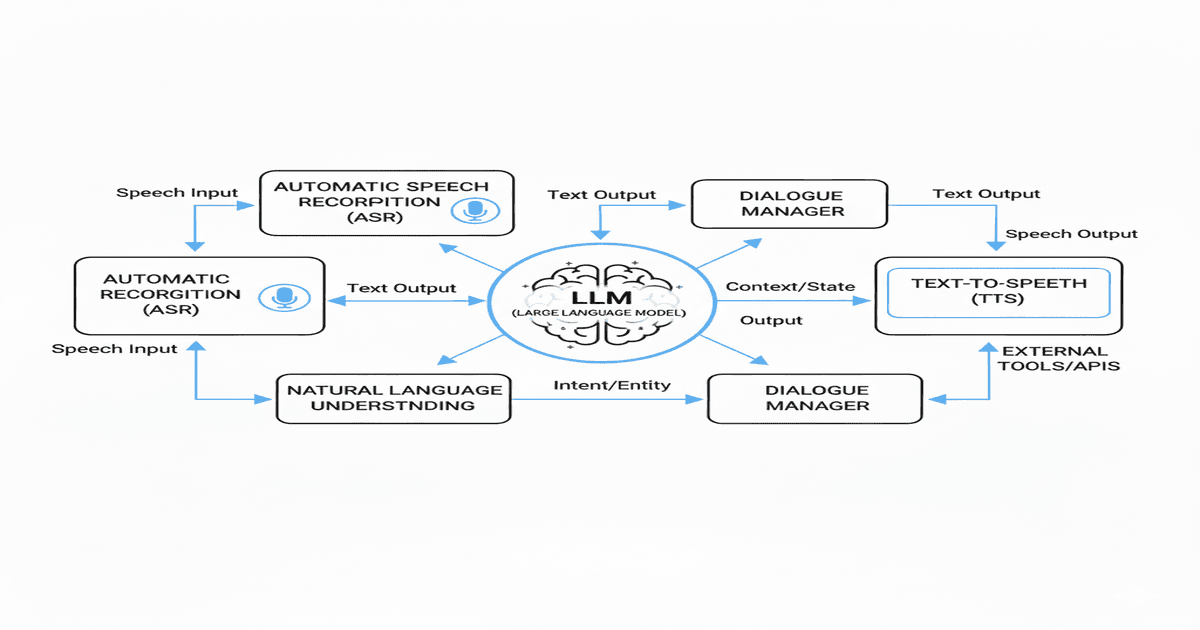
Large Language Models (LLMs): The Brain, Not the Product What the LLM Does in a Voice Agent? In Voice AI, the LLM is responsible for far more than generating text. It interprets intent, extracts structured data, enforces conversational policy, decides when to call tools, and determines what should be said—or not said—next. Crucially, it must do all of this incrementally, under latency constraints, and often with incomplete information from STT. How LLMs Operate in Real-Time Voice Systems ? LLMs generate responses token by token. Voice systems exploit this by streaming tokens as they are produced, allowing TTS to begin speaking before the full response is complete. This streaming behavior is essential to creating the illusion of immediacy. However, long prompts, excessive conversation history, or blocking tool calls can quickly erase these gains. what are Common LLM Choices ? Most production voice agents today rely on OpenAI models or Google Gemini, chosen based on latency, cost, and integration needs. For PMs, the key insight is that LLM selection is a routing problem, not a single decision. High-volume systems often use multiple models for different tasks. What is the Cost and Latency Realities for LLM in voice Ai agents ? LLMs are priced per input and output token. In voice calls, token usage grows with conversation length, not with the number of calls. Verbose prompts and overly chatty responses can silently double costs. Latency depends not only on model speed but on prompt size, tool-call execution time, and retry logic. In many systems, the LLM is fast—but waiting on external tools makes it feel slow. Where LLMs Fail in Voice ? LLMs fail most often when asked to invent facts, resolve ambiguous input without grounding, or operate with poorly validated tool responses. In voice, hallucinations are especially damaging because users cannot easily “scroll back” or verify answers. How Teams Improve LLM Reliability ? Production systems tightly constrain what LLMs are allowed to decide. All factual outputs—pricing, policy, availability—are sourced from tools, not model memory. Conversation state is stored externally rather than repeatedly injected into prompts, reducing both cost and latency.
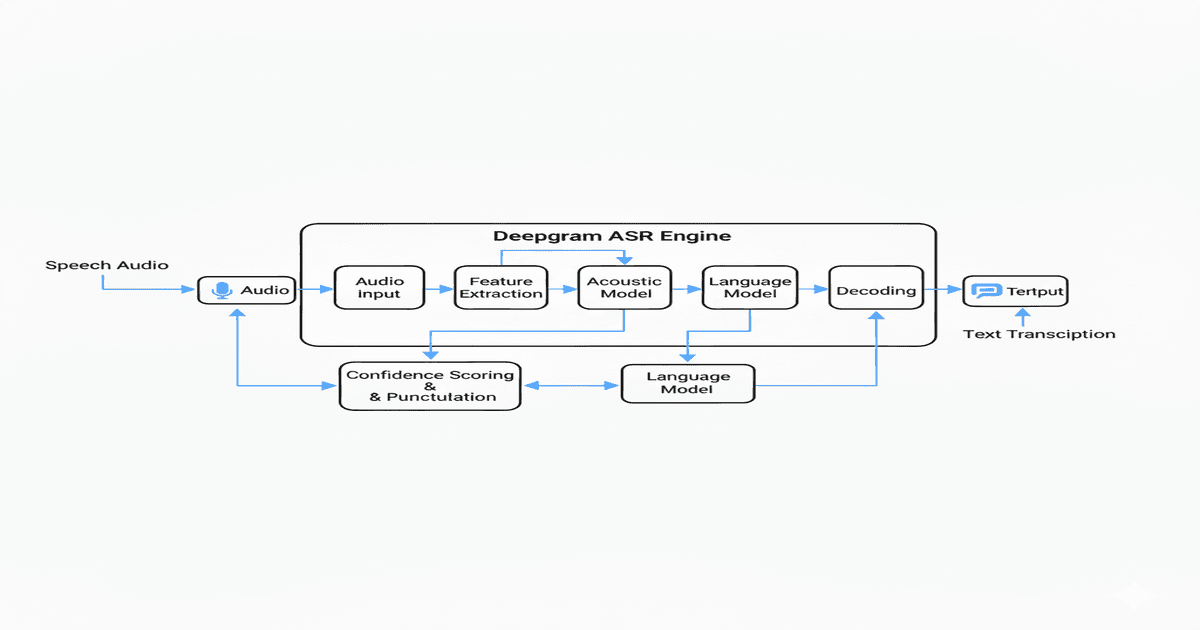
Text-to-Speech (TTS): Where Users Judge “Human-ness” What TTS Does ? Text-to-Speech converts the LLM’s output into audio that is played back into the live call. In voice interactions, how something is said matters as much as what is said. How Modern TTS Works ? Modern TTS systems generate audio by predicting acoustic features and synthesizing waveforms in real time. Advanced systems allow control over pacing, pauses, and emphasis, which are critical for conversational flow. Streaming output is essential. Any delay before the first audible sound is immediately perceived as hesitation.
who are Common TTS Providers ? ElevenLabs is widely used for its natural-sounding voices. Cloud providers such as Azure and Google also offer TTS with strong enterprise support. How is Cost and Latency impacted by TTS ? TTS is typically priced per character or credit. In voice systems, verbosity directly translates into cost. Long greetings, repeated confirmations, and unnecessary politeness quickly inflate TTS usage. Latency is dominated by time-to-first-audio. Even a one-second delay feels awkward in conversation. Where does TTS Breaks ? Mispronounced names, robotic pacing, and talking over users are the most common issues. These are rarely model limitations—they usually stem from poor conversation design or missing barge-in handling. How Teams Improve TTS ? High-quality voice agents speak less. They use short, well-timed sentences, maintain pronunciation dictionaries for domain entities, and align TTS streaming with LLM token output to minimize silence.
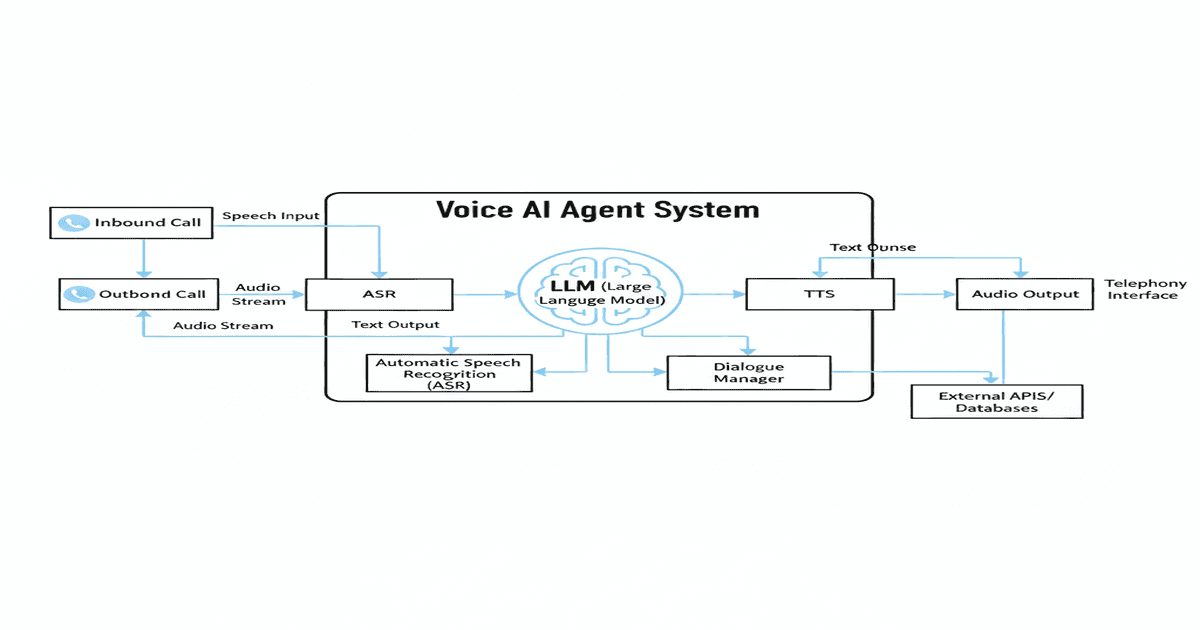
Telephony: The Most Underestimated Component What Telephony Handles ? Telephony connects the AI system to the real phone network. It manages call routing, audio streaming, recording, and signaling. Unlike APIs, phone networks are noisy, lossy, and inconsistent. Telephony Technology in Practice ? Audio flows through carriers, SIP trunks or CPaaS platforms, jitter buffers, and media gateways. Each hop introduces potential delay and packet loss. Jitter buffers smooth audio but can also introduce conversational lag if poorly tuned. what are Common Telephony Options ? Many systems rely on Twilio for global reach, while others use regional CPaaS providers or direct SIP trunking for cost and control. How does telephony cost and Latency impact voice Ai ? Telephony is priced per connected minute, with additional costs for recording and numbers. Latency is influenced by routing quality and buffer configuration, often independently of AI components. Where Telephony Fails ? One-way audio, dropped packets, and inconsistent call quality can render even the best AI unusable. These failures are often mistaken for “model issues.” How Teams Improve Telephony Reliability in voice Ai ? Production systems monitor carrier quality continuously, standardize codecs end-to-end, and route traffic dynamically to avoid degraded paths. Infrastructure: Where Voice AI Becomes a Product What Infrastructure Really Does in voice Ai ? Infrastructure coordinates everything—audio streams, session state, retries, fallbacks, scaling, logging, and monitoring. This is where most demos fail when exposed to real traffic. Cost and Latency Dynamics Infrastructure cost grows with concurrency, not just volume. Latency often emerges from queueing, cold starts, and cross-region dependencies rather than raw compute. What are some Common Failure Modes of infra? Single-vendor dependencies, lack of circuit breakers, and missing fallback strategies cause cascading failures under load. How Teams Harden Infrastructure for voice Ai ? Mature systems enforce latency budgets, implement multi-vendor fallbacks, and monitor p50/p90/p99 metrics across every stage of the pipeline.
Final Thoughts Indian phone calls frequently involve code-mixed language, non-standard pronunciation, speakerphone usage, background conversations, and variable call quality. These conditions differ significantly from clean training data. STT accuracy drops, endpointing becomes unreliable, and barge-in handling becomes harder. Systems optimized only for lab conditions or Western accents struggle under this variability. Teams that succeed invest in language-aware STT tuning, conversation simplification, and noise-tolerant design, rather than assuming a single global model will generalize perfectly.
Frequently Asked Questions
1. Why does my voice agent pause awkwardly after the user finishes speaking?
This behavior is almost always caused by STT endpointing delay, not by the LLM “thinking slowly.” In streaming speech systems, the STT engine must decide whether the user has actually finished speaking or is merely pausing. Because this decision is probabilistic, systems often wait for additional silence to gain confidence. At low latency settings, endpointing can trigger too early and cut users off. At conservative settings, the agent waits longer than feels natural. Many teams unknowingly optimize for accuracy at the expense of responsiveness. Mature systems mitigate this by acting on high-confidence partial transcripts, combining STT signals with Voice Activity Detection, and allowing conversational design to absorb uncertainty (for example, by using short filler acknowledgements instead of full responses).
2. Why does everything work fine at low volume but break at scale?
Low-volume tests rarely expose concurrency-driven failures. At scale, multiple invisible bottlenecks surface simultaneously: STT and TTS rate limits, telephony carrier congestion, database contention, LLM token throttling, and infrastructure queueing. Latency doesn’t increase linearly—it spikes when systems cross internal thresholds. A pipeline that feels “fast enough” at 10 calls can collapse at 500 concurrent calls if queues form between components. Teams that succeed at scale design around peak concurrency, not average load, and introduce backpressure, circuit breakers, and graceful degradation rather than assuming every dependency will always respond on time.
3. Is improving the LLM enough to fix voice quality issues?
No—and this is a common misconception. In most real deployments, LLM quality is not the limiting factor. Voice experience issues typically originate upstream or downstream of the LLM. If STT mishears the user, the LLM reasons perfectly on the wrong input. If telephony introduces jitter or clipping, STT accuracy collapses. If TTS starts late or doesn’t handle barge-in, even a great response feels unnatural. High-quality voice systems treat the LLM as one component in a chain. Improving voice quality usually requires better audio handling, tighter orchestration, and smarter timing, not a larger model.
4. Why do some voice agents talk too much and feel unnatural?
Most over-talkative voice agents are designed using chatbot assumptions. Text chat rewards verbosity because users skim and control pacing. Voice conversations are the opposite—users process information sequentially and expect turn-taking. When an agent delivers long explanations, users interrupt, lose context, or disengage. This creates barge-in conflicts and perceived rudeness, even if the content is correct. Well-designed voice agents prioritize brevity, timing, and intent confirmation. They speak less, but at the right moment. This is a product and conversation-design decision, not a TTS or LLM limitation.
5. How do I reduce Voice AI cost without hurting user experience?
Cost reduction in voice systems is mostly about removing unnecessary work, not cutting capability. The biggest savings typically come from: • reducing prompt bloat and repeated context, • limiting LLM verbosity, • shortening TTS output, • improving endpointing to avoid dead airtime. Because users prefer concise responses, these optimizations often improve UX while lowering cost. Token usage, TTS characters, and STT minutes all drop without the user perceiving any downgrade.
6. Why do hallucinations feel worse in voice than in chat?
In chat interfaces, users can scroll, reread, and visually question responses. In voice, information is ephemeral. Once spoken, it either lands or it doesn’t. When a voice agent confidently delivers incorrect information, users have no easy way to verify or rewind. The combination of confidence + irreversibility makes hallucinations far more damaging in voice interactions. This is why production voice systems strictly separate reasoning from facts. LLMs decide how to respond, but what they say—prices, policies, availability—must come from verified tools or databases.
7. What is the hardest part of Voice AI engineering?
The hardest part is not model selection—it is maintaining consistent low latency under real network conditions. Phone networks are lossy, users interrupt unpredictably, background noise varies, and external tools fail. Voice systems must make decisions with incomplete information and still feel responsive. This requires disciplined latency budgeting, constant monitoring, and defensive engineering. Teams that underestimate this complexity often find that their “working demo” degrades rapidly in production.
8. Why do Indian call environments break many voice bots?
Indian phone calls frequently involve code-mixed language, non-standard pronunciation, speakerphone usage, background conversations, and variable call quality. These conditions differ significantly from clean training data. STT accuracy drops, endpointing becomes unreliable, and barge-in handling becomes harder. Systems optimized only for lab conditions or Western accents struggle under this variability. Teams that succeed invest in language-aware STT tuning, conversation simplification, and noise-tolerant design, rather than assuming a single global model will generalize perfectly.